
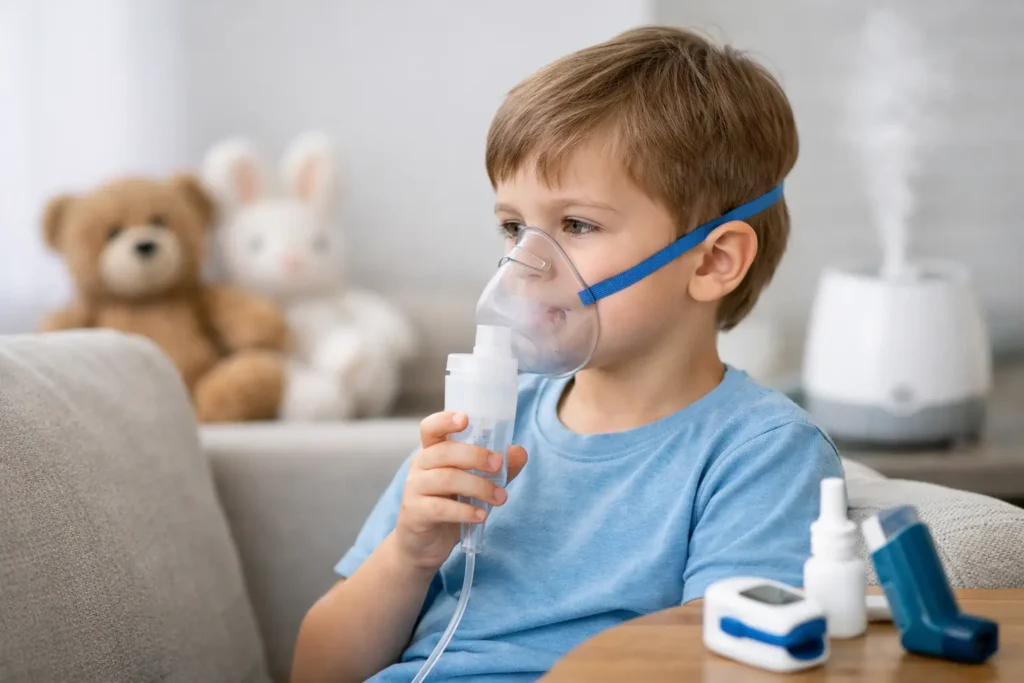
A 2:00 a.m. coughing spell can turn a capable, organized mother into someone staring at the clock, wondering how she will get her child settled, make the morning meeting, and survive another broken night. When coughing, wheezing, congestion, or allergy symptoms keep returning, you do not need random advice. You need to understand the top respiratory support options for kids and which ones fit the pattern your child is actually experiencing.
For children ages 5 to 10, respiratory support is not one product or one trick. It is a layered plan: know when symptoms require urgent medical care, get a clear diagnosis and treatment plan, reduce triggers at home, and consider safe supportive habits that a child will realistically accept. The goal is not to “push through” recurring symptoms. The goal is more calm nights, fewer disruptions, and a child who can breathe, play, sleep, and learn without constantly being sidelined.
Start With Safety, Not Guesswork
Some breathing symptoms are not a wait-and-see situation. Call 911 or seek emergency care immediately if your child is struggling to breathe, has blue or gray lips or face, cannot speak in full sentences, seems unusually sleepy or confused, has chest or neck muscles pulling in with breaths, or is getting worse quickly. A rescue inhaler that is not helping as directed is another reason to get urgent help.
Even when symptoms are less dramatic, recurring coughs and breathing complaints deserve a pediatric conversation. A cough may follow a viral illness, but it can also be tied to asthma, seasonal allergies, sinus drainage, reflux, pneumonia, or exposure to irritants. Wheezing is not something to diagnose from a social media post or a well-meaning group chat.
For the mother who has already been to urgent care three times this year, this matters: repeated visits are a signal to ask for a deeper plan, not proof that you have failed to find the right cough syrup.
The Most Effective Respiratory Support Begins With a Clear Plan
A pediatric evaluation and symptom pattern review
Your child’s pediatrician can listen to the lungs, review symptom timing, and decide whether testing or a specialist referral makes sense. Bring specifics: when the cough starts, whether it happens at night or with exercise, how often rescue medication is used, what seems to trigger symptoms, and whether your child snores or breathes through their mouth while sleeping.
A short symptom log can save time and reveal patterns. Track sleep disruption, school absences, exercise symptoms, fever, mucus color only in context, medication use, and possible exposures such as pets, pollen, smoke, or damp spaces. This is practical evidence, not overthinking.
An asthma action plan when asthma is suspected or diagnosed
For children with asthma or recurrent wheezing, a written asthma action plan is one of the strongest tools a family can have. It explains daily controller medicine, when to use quick-relief medicine, which symptoms mean the plan needs to change, and when to call the doctor or seek emergency help.
Inhaled corticosteroids and other prescribed asthma medicines can be essential for preventing dangerous flare-ups. They are not a parenting failure, and natural support should never be presented as a replacement for a prescribed rescue inhaler, controller medication, or emergency care. If you are worried about side effects or long-term use, bring those concerns to the prescriber. The answer is a thoughtful review, not stopping medication on your own.
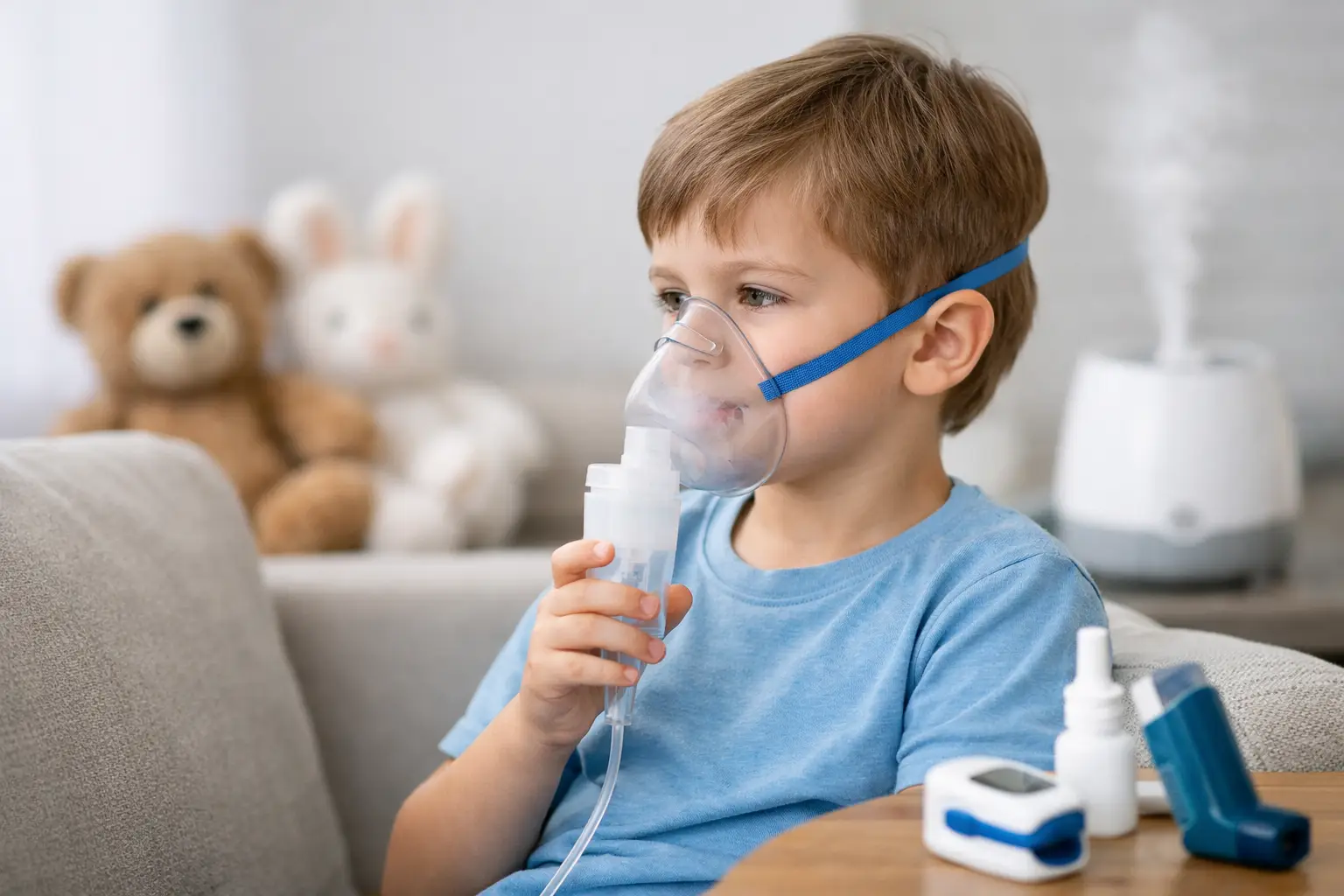
Ask the clinician to watch your child use an inhaler or nebulizer. Technique matters. A spacer, properly fitted mask, or mouthpiece may make a major difference in how much medicine actually reaches the lungs.
Top Respiratory Support Options for Kids at Home
Medical care sets the foundation. Home routines reduce avoidable irritation and help your child recover more comfortably between appointments.
Cleaner air and fewer triggers
Smoke and vaping aerosol have no place around children with breathing symptoms. Fragranced sprays, candles, incense, harsh cleaners, and strong perfumes can also irritate sensitive airways. Choose unscented household products when possible, vacuum and dust regularly, and wash bedding in hot water if allergy concerns are part of the picture.
If pollen is a frequent trigger, keeping windows closed during high-pollen times and changing clothes after outdoor play can help. If mold or dampness is visible or smells musty, address the source rather than covering it with fragrance. A HEPA air purifier may help some families, particularly in a child’s bedroom, but it is not a substitute for removing the trigger itself.
Hydration, rest, and simple comfort measures
A well-hydrated child is better able to manage thick mucus and a dry, irritated throat. Offer water consistently rather than waiting until your child is thirsty. Warm liquids can feel soothing. For children older than 1, honey may help calm a cough, but it should never be given to infants because of the risk of botulism.
A cool-mist humidifier may help when indoor air is dry, provided it is cleaned exactly as directed. A poorly maintained humidifier can spread mold or bacteria, creating the very problem you are trying to solve. Keep bedrooms comfortably cool, make sleep a priority, and avoid pushing through sports or intense activity when breathing symptoms are active unless your child’s care plan says otherwise.
Allergy management that matches the cause
Allergy-related breathing symptoms can look like one endless cold: runny nose, itchy eyes, throat clearing, nighttime cough, and congestion that comes back every season. A pediatrician or allergist can help identify whether allergies are contributing and recommend age-appropriate options. That may include nasal saline, prescribed or over-the-counter allergy medicine used correctly, or allergy testing when the story is persistent or unclear.
The trade-off is that allergy treatments work best when they are consistent and connected to a real trigger pattern. Switching remedies every few days rarely gives you a clean answer.
Where Natural Respiratory Support Options Fit
Many working mothers want to support their child’s overall respiratory resilience without adding another complicated routine. That desire is reasonable. The safest way to approach supplements, herbs, or wellness protocols is as supportive care alongside medical guidance, not as a cure for asthma, an alternative to emergency treatment, or a reason to discontinue prescribed medicine.
Before giving a child any supplement, review it with the pediatrician or pharmacist. “Natural” does not automatically mean safe, effective, or appropriate for every child. Ask about age suitability, ingredients, dose, allergies, medication interactions, quality testing, and what outcome you are realistically tracking. Be especially careful if your child has asthma, food allergies, immune conditions, or takes daily medication.
For families who want structured, assessment-based wellness guidance, Tigrox by Stella offers a coaching-led approach centered on a tiger milk mushroom liquid sachet protocol. It should be discussed openly with your child’s clinician, especially if your child has an existing diagnosis or medication plan. A convenient format may make a routine easier to follow, but convenience is not the same as clinical proof. Your child’s safety and established treatment plan come first.
Questions to Bring to Your Child’s Next Appointment
You do not need to walk into the pediatrician’s office with a medical degree. You do need to leave with clarity. Ask whether your child’s pattern could be asthma or allergies, whether an action plan is needed, whether an inhaler spacer is appropriate, and which symptoms should send you to urgent care.
Also ask what improvement should look like. Is the goal fewer nighttime coughs? Better exercise tolerance? Less rescue medicine? Fewer missed school days? Clear markers protect you from spending months trying solutions without knowing whether your child is truly improving.
If you feel dismissed because your child looks fine during a daytime appointment, say what the nights look like. Explain the cough that starts after bedtime, the wheeze after soccer, the repeated nebulizer sessions, and the workdays you have missed. Those details matter.
Do Not Let Exhaustion Make the Decisions
When your child is repeatedly sick, every promise of relief can feel urgent. That is exactly when a simple, medically grounded plan is most powerful: seek prompt care for danger signs, get the right diagnosis, use prescribed treatment correctly, reduce known triggers, and add only those supportive habits your family can sustain safely.
You are not asking for perfection. You are building a steadier path for your child and a more predictable life for your whole family. Start with one useful step this week: write down your child’s symptom pattern and bring it to a qualified clinician. Clear information can turn another anxious night into the beginning of a real plan.
Pingback: How to Support Airway Resilience for Kids - tigroxbystella.store
Pingback: A Health Coach for Child Wellness Can Help - tigroxbystella.store